Romsey Abbey: A Visitor’s Guide to a Great Norman Church
Founded as a nunnery over a thousand years ago and rebuilt in stone by the Normans, Romsey Abbey is one of the finest parish churches in England. Here is what to see and how to visit.
Romsey Abbey dominates the centre of Romsey and, although it is now a parish church, it has the scale and unity of a small cathedral. It is one of the most complete Norman churches in the country and the single most important building in the town.
A Thousand Years of History
The Abbey traces its origins to 907 AD, when King Edward the Elder — son of Alfred the Great — settled a community of nuns here under his daughter Ælfflæd. The nunnery was refounded under Benedictine rule by King Edgar in 967, and for centuries it was a place of education for the daughters of kings and noblemen. Work on the present stone building began around 1120, and the great Norman nave, transepts, and choir were raised over the following century or so.
What to See
The interior is defined by massive Norman piers rising through three storeys, giving the church its unified, powerful feel. Among its treasures are two rare Saxon rood carvings — one, the Romsey Rood, a large carved figure of Christ on the exterior wall — and a finely painted 16th-century reredos. The Abbey also holds the grave of Louis Mountbatten, 1st Earl Mountbatten of Burma, whose family seat was at nearby Broadlands.
Visiting
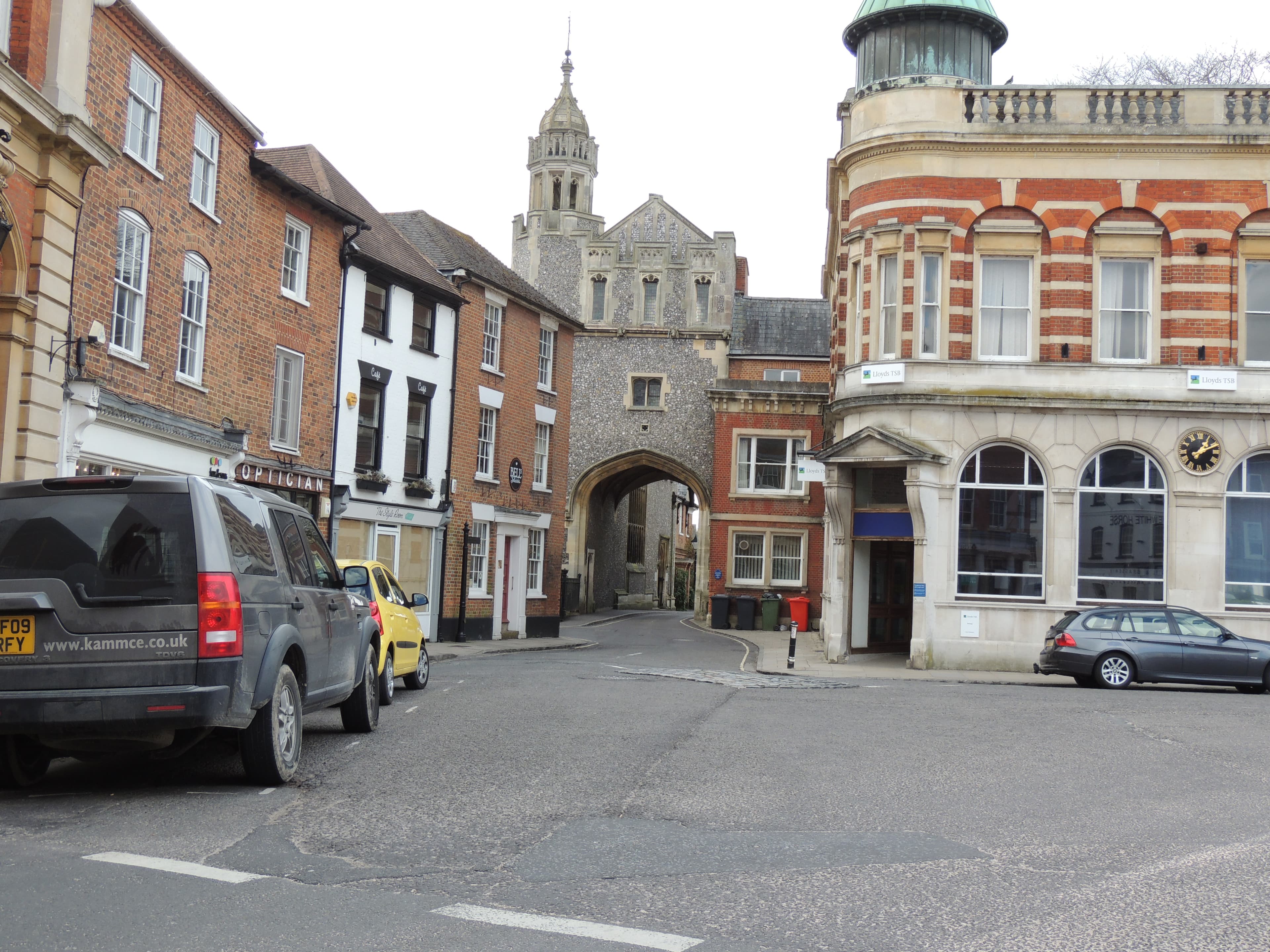
The Abbey is open to visitors from 7.30am to 6pm Monday to Saturday, and from 11am to 6pm on Sundays. Visitors are asked to avoid service times. Entry is free, though donations towards the upkeep of the building are welcomed. The Abbey stands just off the Market Place in the centre of Romsey, a short walk from the shops, cafés, and the town's car parks.
Share this article